November 16, 2026
Gutter Cleaning Hackettstown: Improve Water Flow Around Your Home
By @caidenvugo641
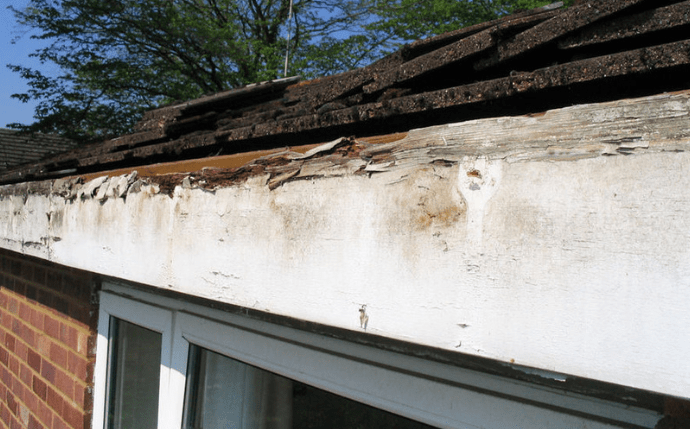
A gutter system does one job that affects almost every part of a house. It collects rainwater from the roof, moves it through the gutters, and sends it safely away from the foundation. When that flow is interrupted, the problems spread quickly. Water spills over the edge, saturates mulch beds, stains siding, loosens fascia boards, and pools near basement walls. In a place like Hackettstown, where spring rains, summer storms, and heavy leaf drop all show up in the same year, neglected gutters can create damage that starts small and becomes expensive.
Homeowners often notice the obvious issues first. A waterfall pouring over the front gutter during a storm. Dark streaks on the siding. A muddy trench forming below one corner of the roof. What is less obvious is the slow damage that happens behind the scenes. Wet wood around the roofline, ice buildup in winter, and repeated water exposure near the foundation all start with poor drainage. That is why Gutter Cleaning Hackettstown is not a cosmetic task. It is basic exterior maintenance with a direct effect on how your home handles water.
Why water flow matters more than most homeowners think
A roof sheds a surprising amount of water. Even a moderate rain can send hundreds of gallons off the surface in a short period. If the gutters are open and pitched correctly, that water moves along the channel, drops into the downspouts, and exits away from the house. If leaves, seed pods, roof grit, or shingle granules narrow the path, water backs up and looks for the easiest route out.
That route is usually not where you want it. It can pour over the front lip of the gutter and erode the soil below. It can run behind the gutter if debris has created a dam, soaking the fascia board and the edges of the roof deck. On multi-story homes, that overflow can hit lower roof sections, splash around windows, and create staining on siding or brick veneer.
In Hackettstown, this problem tends to show up in predictable patterns. Many neighborhoods have mature trees close to the home, which means a steady mix of leaves, twigs, acorns, and helicopter seeds throughout the year. A gutter can look decent from the ground and still have enough packed debris near the downspout outlet to stop water from moving. That is the trap. The system does not need to be completely full to fail. It only needs one choke point.
The local conditions that make gutter upkeep in Hackettstown important
Not every town places the same demands on a gutter system. Hackettstown homes deal with a mix of weather and landscape conditions that make routine cleaning worth taking seriously.
Fall is the obvious season for buildup, especially in tree-lined areas. Dry leaves settle in the trough and start to compact after a few damp days. By late autumn, they form a dense mat that catches every smaller piece of debris behind it. Then winter adds another layer of trouble. If water cannot drain freely, it sits in the gutter and can freeze during cold stretches. That added weight stresses hangers and can pull sections loose.
Spring creates a different set of problems. Blossoms, small twigs, maple seeds, and roof granules wash into the gutter after winter. Early spring storms also reveal whether the system can handle a strong flow. Summer brings fewer leaves, but it often exposes neglected drainage because thunderstorms dump water fast. A partially blocked system might seem fine in light rain and fail badly in a ten-minute downpour.
Homes near wooded lots, sloped grades, or older landscaping usually need more attention than houses in open developments. Ranch homes can be simpler to access, but they are not automatically easier to maintain if the roof has multiple valleys dumping into the same gutter run. Colonial and two-story homes often have longer downspouts and second-story sections where a small clog becomes harder to spot until damage has already started.
What clogged gutters actually do to a house
Overflowing gutters are easy to dismiss because the issue seems temporary. The rain stops, the water dries, and the house looks normal again. The trouble is cumulative. Repeated wetting in the wrong places wears materials down.
Wood trim around the roofline is one of the first casualties. If water runs behind the gutter, the fascia board stays damp for longer than it should. Paint begins to peel. Wood softens. Fasteners loosen. Once that edge starts to deteriorate, the gutter no longer has a solid surface to hold onto, which can lead to sagging and separation.
Foundation issues are another concern, especially where downspouts already discharge too close to the house. Overflow at the eaves dumps extra water directly beside the foundation wall. Over time, that can contribute to settlement in some soils, basement moisture, or crawlspace dampness. It does not mean one clogged gutter causes a structural crisis overnight. It means poor drainage repeatedly loads the same vulnerable area with water.
Landscaping also takes a beating. Flower beds below roof valleys often show this first. Mulch washes out. Soil trenches form. Shrubs near corners get pounded by runoff. If a walkway or stoop sits below the overflow area, splashback can leave slippery residue and stains.
Then there is the roof itself. When debris traps water in the gutter, that moisture sits close to the roof edge. In colder weather, this can contribute to ice formation. In warmer weather, it keeps the drip edge area wetter than intended. Neither condition is ideal for long-term roof performance.
Signs your gutters need attention sooner rather than later
Some warning signs are dramatic, but many are subtle enough to miss unless you know what to look for.
- Water spilling over the gutter edge during rain, especially near corners or downspouts
- Gutters that sag, bow, or pull away from the fascia
- Plants, moss, or visible debris growing from the gutter line
- Stains on siding or dark wet marks under the gutter after storms
- Pooled water near the foundation or eroded soil beneath eaves
A short visual check from the ground can reveal a lot. If one section overflows while the rest drains normally, the clog is often near the nearest downspout. If the entire run spills over, the issue may be broad buildup, poor pitch, or a combination of both. I have seen homes where the gutter looked packed with leaves, and homes where the real blockage was hidden in the elbow of the downspout. The symptoms looked almost identical from the yard.
Cleaning is not just scooping out leaves
People who have never cleaned gutters often picture a simple process: climb a ladder, remove the obvious debris, and rinse the rest out with a hose. Sometimes it is that straightforward. Often it is not.
Debris behaves differently depending on the roof, tree cover, and time since the last service. https://www.merchantcircle.com/just-gutters-1-hackettstown-nj Dry leaves are light and easy to remove. Wet, decomposed material turns into a heavy sludge that sticks to the bottom of the gutter and packs tight around outlet openings. Roof grit from asphalt shingles adds weight and reduces flow even when leaves are not the main issue. In some systems, hidden hangers or gutter guards make access slower and more technical.
A proper cleaning usually involves opening every section, clearing each outlet, flushing the runs to verify movement, and confirming that downspouts are carrying water all the way through. If the downspout is clogged, surface debris removal is only half the job. The line might need to be disassembled at an elbow, snaked, or flushed from the bottom up depending on how it is built.
This is also the stage when other problems become visible. Loose brackets, seams that drip, standing water from poor pitch, and damaged end caps tend to show themselves once the debris is gone. That matters because a clean gutter that still holds water is not functioning properly. Cleaning improves performance, but it cannot correct installation flaws by itself.
How often Hackettstown homeowners should clean their gutters
The honest answer depends on the property. A heavily wooded lot may need attention more than once in the fall and at least once again in spring. A home with fewer nearby trees may only need seasonal service. The key is to match the schedule to your conditions rather than follow a generic rule.
- Heavily wooded properties often need cleaning in late spring and again in late fall
- Homes with moderate tree cover usually benefit from at least two cleanings per year
- Properties with pine trees may need more frequent checks because needles build up differently than broad leaves
- After major storms, a quick inspection can catch branch debris or a sudden downspout blockage
- New homeowners should inspect more often during the first year to learn the property’s pattern
One practical approach is to watch how your gutters perform during a strong rain. If water flows cleanly through every downspout and exits well away from the foundation, your schedule is probably working. If one storm exposes overflow, your interval is too long or a repair issue has developed.
The trade-offs of gutter guards
Gutter guards are often marketed as a near-permanent answer to maintenance. They can help, but they are not magic, and they are not right for every house.
On some Hackettstown homes, especially those surrounded by larger deciduous trees, guards reduce the volume of debris entering the gutter and make cleanings less frequent. That can be useful for tall homes or difficult rooflines. Yet guards also come with limitations. Fine debris can still collect on top, and some guard styles allow small material to enter and compact below the surface where it is harder to see. Pine needles are especially notorious for finding their way into systems that promised otherwise.
Another issue is water behavior during heavy storms. Certain guard designs handle moderate rain well but struggle when water comes off a steep roof at high speed. Instead of entering the gutter cleanly, some of it can overshoot the edge. The house is not necessarily worse off than before, but the owner is understandably frustrated after paying for a solution that sounded maintenance-free.
When considering guards, the better question is not whether they eliminate cleaning. It is whether they reduce the amount of debris enough to improve performance and lower service frequency on your specific property. For some homes, yes. For others, regular cleaning remains the simpler and more reliable option.
Safety matters more than saving an afternoon
Ladder work around gutters is where many homeowners underestimate the risk. Single-story access can feel manageable until the ground proves uneven, the ladder shifts near a flower bed, or the person cleaning overreaches to avoid moving the ladder one more time. Two-story work raises the stakes quickly.
There are also hidden hazards. Gutters can detach if used as a handhold. Wet debris adds unexpected weight to a scoop or bucket. Power lines may run near the roof edge. Wasps often nest under eaves or inside downspout elbows during warm months. Even a routine cleaning can turn dangerous if conditions are rushed or tools are improvised.
That does not mean every homeowner must avoid the task. It means the decision should be based on realistic access, comfort with heights, and the actual condition of the property. A small ranch with clear footing is one thing. A two-story home with steep grades and clogged rear gutters over a deck is another.
What professional gutter cleaning usually includes
A solid professional service does more than remove visible debris. It typically includes clearing all gutter channels, checking and flushing downspouts, bagging or disposing of material, and identifying problem areas that affect drainage. On a well-run crew, the technician also pays attention to loose sections, signs of standing water, and fasteners that may need follow-up repair.
Pricing usually varies by home size, height, roof complexity, and how clogged the system is. A straightforward one-story home is often less time-intensive than a taller home with multiple rooflines and hard-to-reach sections. Debris volume matters too. There is a clear difference between a light annual cleaning and gutters that have not been touched in several seasons.
For homeowners searching for Gutter Cleaning Hackettstown services, it helps to ask practical questions rather than only chasing the lowest price. Will the downspouts be fully tested? Is debris removed from the property? Will the technician note minor issues before they become bigger repairs? Those details affect value more than a rock-bottom quote.
Small fixes that improve drainage after cleaning
Once the gutters are clear, a few targeted corrections often make the system work much better. Downspout extensions are one of the simplest. If water exits right at the base of the wall, even a clean gutter is not protecting the foundation as well as it should. Extending discharge several feet away can make a noticeable difference.
Pitch adjustments can also matter. If water sits in the trough after cleaning, the gutter may need to be rehung or slightly re-leveled so flow moves toward the outlet. Seam sealing helps where drips are soaking trim or walkways. In some cases, one extra downspout solves a chronic overflow problem on a long run that receives a lot of roof water.
I have also seen homes where the real issue was underground drainage connected to the downspout. The gutter and vertical spout were spotless, but water still backed up because the buried line was blocked. That is a good example of why symptoms need interpretation. Overflow does not always mean leaves in the top channel. Sometimes the restriction is farther down the line.
Seasonal timing makes a difference
A lot of homeowners wait until they can see a problem from the driveway. That is understandable, but the best timing is usually earlier than that. Late fall cleaning is effective after most leaves have dropped, but not so late that winter freeze-thaw cycles are about to lock wet debris in place. Spring service works best once seed drop and early storm debris have had a chance to accumulate.
Summer is often used as a catch-up season, especially after a neglected spring, but it is not ideal to wait that long if drainage issues are already affecting siding or soil. During the winter, cleaning becomes more difficult and less safe, and frozen material limits how much improvement can be made until temperatures rise.
A home with recurring trouble spots may benefit from a simple maintenance calendar rather than a one-size schedule. The right plan depends on the property, not the brochure advice.
A homeowner’s view from the ground still matters
You do not need to climb a ladder every month to stay ahead of gutter trouble. Some of the most useful checks happen from the yard. Watch the roofline during the next hard rain. Walk around the house after the storm ends. Look for splash marks, new washout in the mulch, and downspout outlets that are barely trickling when they should be draining strongly.
Those observations tell you whether your gutter system is moving water efficiently, which is the whole point. The gutters are not there to look neat from the curb. They are there to control runoff and protect the home envelope. When they fail, the signs usually appear outside first, then spread inward through rot, moisture, or foundation stress if the issue is ignored long enough.
For Hackettstown homeowners, regular gutter care is one of the simpler ways to protect a property from water damage. It is less expensive than fascia replacement, far less disruptive than correcting drainage problems at the foundation, and much easier than dealing with basement moisture after repeated overflow. Clean gutters do not solve every exterior water issue, but they remove one of the most common causes. That alone makes them worth paying attention to before the next storm puts the system to the test.
Just Gutters LLC
Address: 262 Main St, Hackettstown, NJ 07840
Phone number: +12013319454
FAQ About Gutter Cleaning Hackettstown
How much should a gutter clean cost?
Professional gutter cleaning typically costs between $163 and $333, with a national average of around $210 to $250 for a standard-sized home.
What months should you clean gutters?
You should clean your gutters twice a year—once in late autumn (November to December) and once in late spring (April to May).
Is it worth paying for gutter cleaning?
Yes, paying for gutter cleaning is worth it because it prevents thousands of dollars in water damage, roof leaks, and structural repairs.
❧